
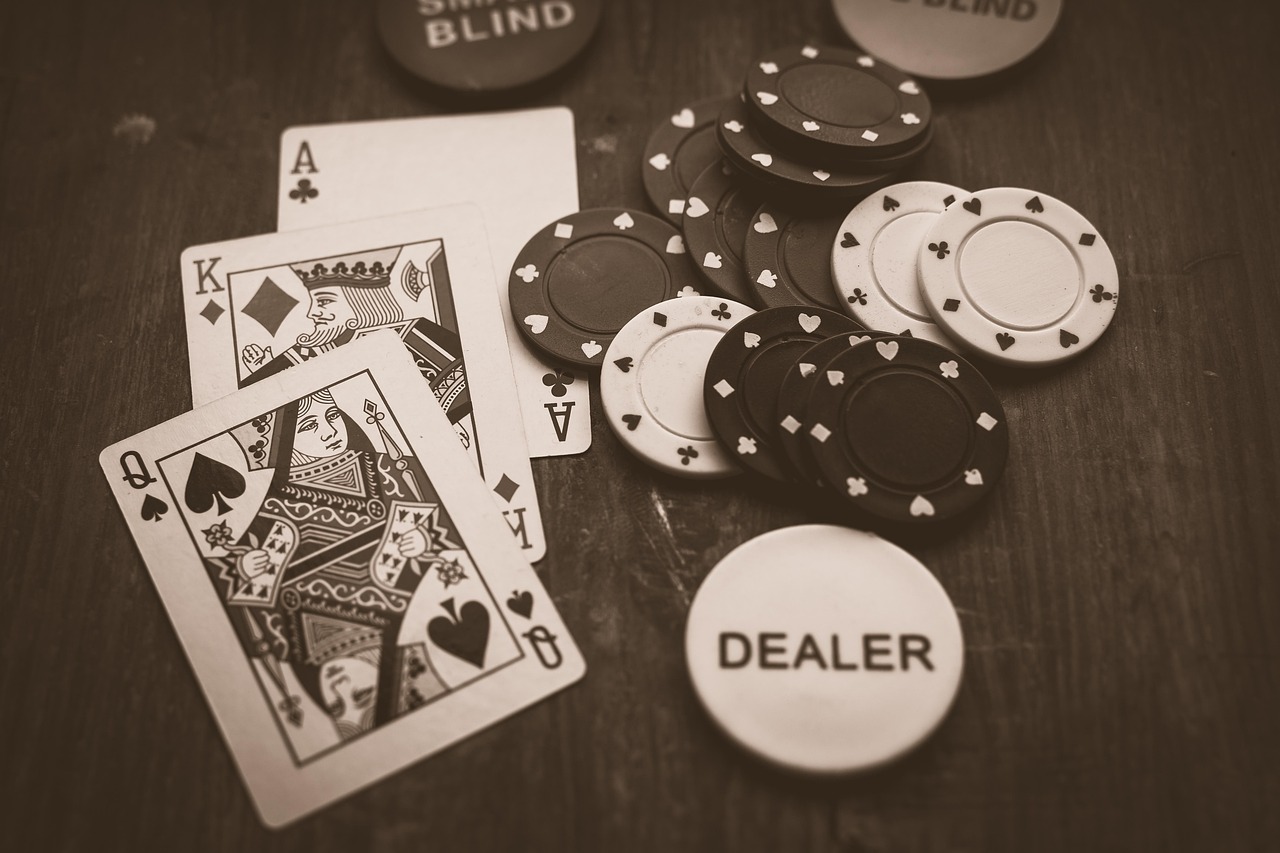
Every experienced poker player has watched a rookie lose a buy-in because they believed the table was "due" for a flush. Every slots fan has chased a bonus round after 200 dead spins, convinced the machine owed them. The house doesn't owe you anything, and the math never remembers your last session. That gap between what players believe and how iGaming actually works is where most of the money disappears — not in bad luck, but in bad assumptions.
Let's dig into the five myths that cost people the most, and what the data actually says instead.
This is the grandfather of all gambling fallacies, and it refuses to die. The logic feels intuitive: if a machine hasn't paid out in hours, it must be building toward something. Reality? Modern slots use a random number generator that reshuffles millions of combinations every second. The spin you're about to take has no memory of the 300 before it.
Here's the number that matters: RTP, or return to player. A slot with 96% RTP returns 96 cents per dollar wagered over millions of spins. That 4% edge is how the casino pays the lights, staff, and shareholders. It doesn't flex based on how your session is going. A high-volatility slot like Book of Dead can go 500 spins without a meaningful win, then drop a 5,000x payout on spin 501. A low-volatility game like Starburst pays smaller but more often. Neither machine knows or cares whether you're winning.
The practical takeaway: choose your slot based on volatility and RTP, not on how long it's been since the last bonus. Volatility is your risk profile; RTP is your long-term cost of playing.
Beginners fixate on hole cards. Pros fixate on position, stack depth, and opponent tendencies. The difference is enormous. ae888 is a solid starting point for anyone new to this.
Consider a simple example. You're on the button with 7-8 suited. From early position, that hand is a fold in most lineups. From the button with no raisers ahead, it's a profitable open. Same cards, different outcome — because position determines how much information you have and how much control you exert over the pot.
If you want one upgrade to your poker game this month, stop memorizing starting hand charts and start tracking how often each opponent folds to a continuation bet. That single statistic will earn you more than any preflop chart.
In-play betting has exploded over the past decade, and it's not because people got lazier. It's because live markets let you trade information in real time. A tennis player tweaks an ankle — the pre-match odds are stale, but the live odds adjust within seconds. If you're watching the match and the bookmaker is slow, that's an edge.
The catch is that it cuts both ways. Live odds move fast, margins are often wider than pre-match, and tilt is more dangerous because every point offers another chance to chase. Successful in-play bettors tend to have three things in common:
Treat live betting like day trading, not like a lottery ticket. If you don't have an information advantage, you're the liquidity.
Casino and sportsbook bonuses are marketing instruments dressed up as gifts. They're not free; they're priced into wagering requirements that most players never clear.
A typical 100% deposit match with a 35x wagering requirement means a $100 bonus requires $3,500 in total bets before you can withdraw. On slots, that's feasible. On table games, where wagering often only counts 10% toward the requirement, you'd need to bet $35,000. Suddenly the "free" $100 costs more than it's worth for most players.
When evaluating a bonus, look at these before you opt in:
Read the terms. Every time. It's the difference between a small edge and a slow bleed.
Plenty of players assume online play is looser than a live casino because no one's watching. Two problems with that. First, iGaming platforms run Know Your Customer checks, transaction monitoring, and anti-money-laundering systems that would make a bank compliance officer nod approvingly. Second, behavior that gets you flagged — multi-accounting, matched betting against bonus terms, collusion at poker tables — gets funds frozen, not just warnings.
Responsible operators also deploy responsible-gambling tools you should be using before you need them:
The players who last 20 years in this space aren't the ones who hit the biggest score. They're the ones who treated it like a hobby with a budget, never like an income stream.
No strategy eliminates the house edge at casino games. That's not pessimism; it's arithmetic. What good players do is manage the edge rather than pretend it doesn't exist. They pick slots with high RTPs and volatility that matches their bankroll. They exploit soft poker tables and skip the tough ones. They bet sports markets where they have genuine information. And critically, they walk away when the numbers stop making sense.
The people who lose the most in iGaming are rarely unlucky. They're just operating on assumptions the math doesn't support. Fix the assumptions, and you stop paying for the myths.

Hi, my name is Anthony kuber. I am artist and fashion designer.
I love to travel and writing blogging.
Your email address will not be published. Required fields are marked *
Software Developer & Writer
Hey, I'm Diva, a developer and writer blending code and creativity. I'm driven by a deep curiosity and a relentless pursuit of excellence. Join me as I craft digital solutions and captivating stories.


