
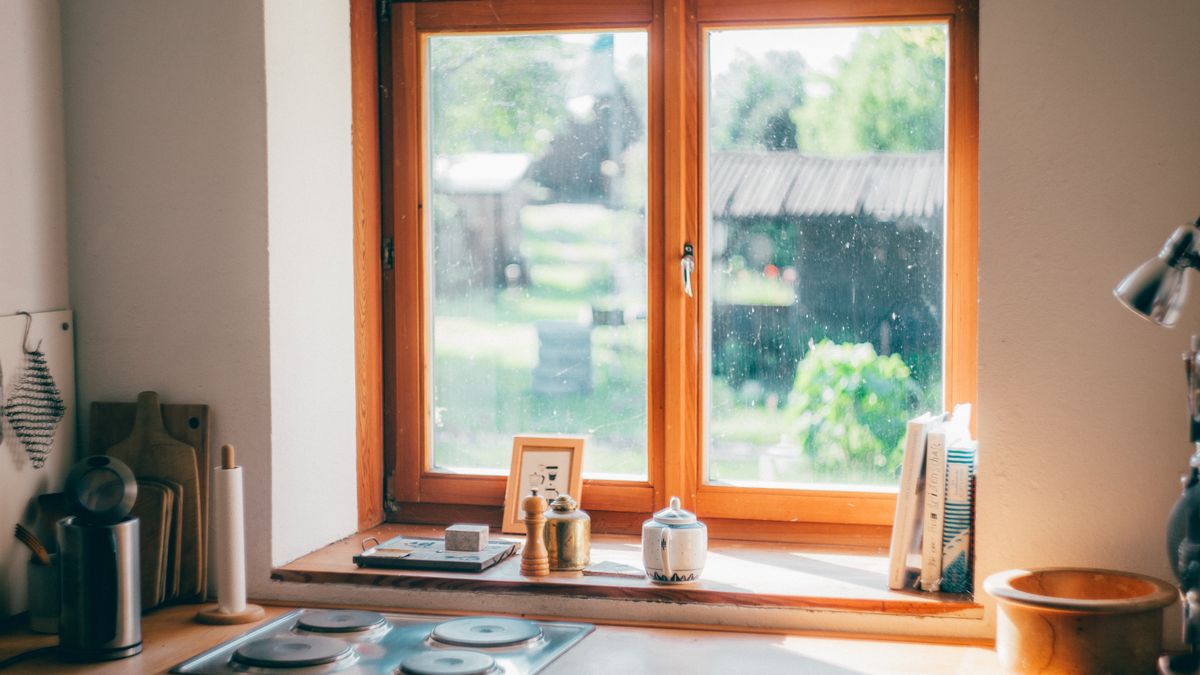
Cottage bedrooms work best when walls, ceiling and woodwork sit within a narrow tonal range. In a period home with low ceilings and small windows, strong contrast chops the room into fragments. A near-monochrome scheme lets the eye travel and makes a compact space feel calmer and more generous. Pick two or three closely related shades — a chalky off-white, an oatmeal, a soft clay or a muted sage — and carry them across walls, ceilings and trim.
If your cottage has lime plaster, choose a breathable finish. Limewash and traditional distemper allow the walls to move and release moisture, which matters in older properties that were never designed to be sealed. Modern cottages can take a washable emulsion in the same muted palette. Always test a large patch on the wall you are most worried about, and live with it for a few days at different times of day. North-facing rooms need a touch of warmth in the base colour; south-facing rooms can carry a cooler, greyer white without turning gloomy.
The fastest route to a restful cottage bedroom is a bed dressed in linen. Stonewashed linen softens with every wash, creases in a way that looks relaxed rather than untidy, and breathes in summer while holding warmth in winter. Begin with a neutral base — oatmeal, dove grey, pale sand — then introduce one deeper tone for interest.
Buy a duvet cover one size larger than your duvet if you want generous drape to the floor, which also hides under-bed storage and stops the bed looking mean in a small room. Make the bed in layers: a flat or fitted sheet, the duvet, then a wool or cotton throw folded across the bottom third. Allow two sleeping pillows per person, plus one decorative linen or vintage cushion — no more, or the bed starts to feel cluttered.
Rotate your bedding seasonally and store the out-of-season sets in a lidded basket or under-bed drawer, not on open shelves where they will gather dust.
In Victorian and Georgian cottages, the alcoves either side of a chimney breast are often the only usable storage in the room. Treat them as a matched pair. A slim chest of drawers or a low cupboard under a shelf in each alcove gives symmetry, which reads as calm even when the walls are crooked.
Resist filling every alcove with a full-height wardrobe. Open shelves styled lightly — a small lamp, a stack of books, a jug of dried stems — will do more for the atmosphere than another cupboard. If you do need hanging space, a single alcove wardrobe with a curtain rather than a door suits a period room beautifully and costs far less.
Vintage pieces earn their place here. A spindle-back chair, a blanket box at the foot of the bed, a small antique mirror: each one adds age and texture. Choose furniture that is low and narrow. Check that anything you buy will fit up the stairs and through the bedroom door before you commit, because cottage staircases are unforgiving. Keep the top of any tall piece clear of clutter so the eye can rest.
A single pendant in the middle of a low ceiling will flatten a cottage bedroom and cast unkind shadows. Aim instead for three layers: a dimmable overhead, two bedside lights, and one low-level glow.
Add a plug-in wall light on each side if bedside tables are too small for lamps, and thread the cable behind the headboard. For the lowest layer, a small table lamp on the chest of drawers, a pillar candle in a glass hurricane, or a string of warm bulbs tucked behind a shelf all help the room settle at night. Line curtains and Roman blinds with blackout fabric if you struggle in summer, but keep a sheer layer at the window so daytime light stays soft.
Exposed beams, sloping ceilings, uneven floorboards and small-paned windows are the reasons you bought the cottage. Work with them rather than boxing them in. Do not clad a beam, and do not chase a perfectly flat wall — learn to hang pictures on a slight tilt and accept that a chest of drawers may need a discreet wedge under one corner.
Choose a rug you can live with over old boards. A jute or sisal base with a wool rug layered on top adds warmth underfoot and absorbs sound, which helps a small bedroom feel hushed. Leave at least 60cm of clear walking space around the bed; in a tight room, consider a small double rather than a king.
Finally, remember that old cottages need to breathe. Open a window for ten minutes each morning, keep furniture slightly away from external walls, and never block air bricks or trickle vents. A dry room is a calm room — and no amount of beautiful linen will save a bedroom that smells of damp.

Hi, my name is Anthony kuber. I am artist and fashion designer.
I love to travel and writing blogging.
Your email address will not be published. Required fields are marked *
Software Developer & Writer
Hey, I'm Diva, a developer and writer blending code and creativity. I'm driven by a deep curiosity and a relentless pursuit of excellence. Join me as I craft digital solutions and captivating stories.


