
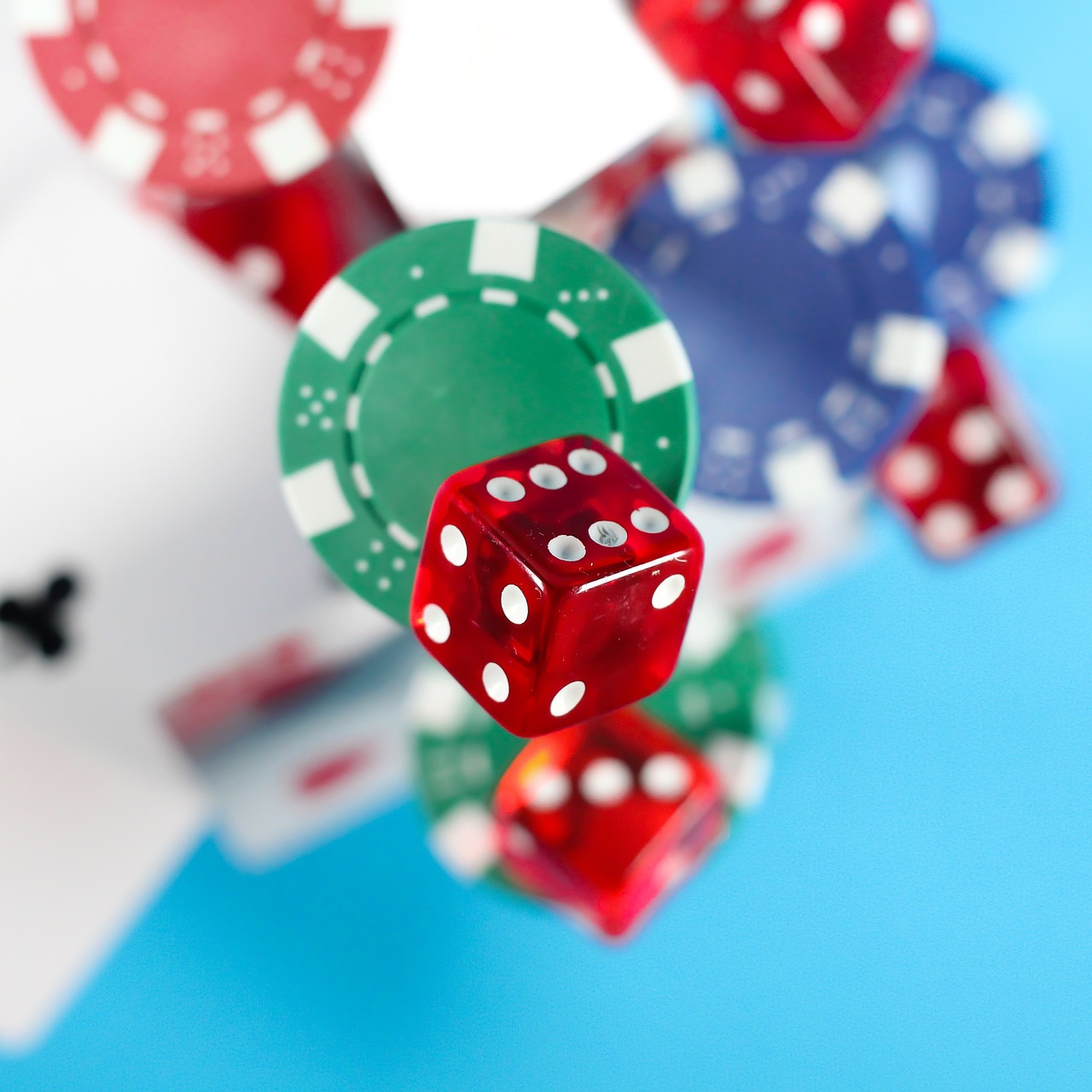
Every gambler remembers their first big win. Maybe it was a $2 slot spin that paid $200, or a river card that completed your flush and emptied three opponents' stacks. That rush is real—neurochemically identical to the dopamine hit from cocaine, according to Stanford research. But here's the uncomfortable truth: the house doesn't need to cheat you. It just needs you to keep playing. Understanding how casino games, slots, and poker differ in their math is the first step toward playing smarter, not harder.
Every casino game has a built-in mathematical advantage for the operator. That's not a conspiracy; it's the business model. What varies wildly is the size of that edge. Consider these concrete numbers:
Over an hour of play, a $10 blackjack bettor risks about $3 in expected losses. A $10 slots player on a 10% edge machine risks $60–$100. That's not luck; that's arithmetic. The smartest gamblers treat the house edge like a cover charge—they pay it for entertainment, not as an investment. We found สล็อตเว็บตรง to be a handy reference here.
Slots are the most popular casino game worldwide, generating roughly 70% of casino revenue on the Las Vegas Strip. They're also the most misunderstood. A modern video slot doesn't 'get hot' or 'go cold.' Each spin is an independent event, governed by a random number generator (RNG) that cycles thousands of times per second.
Here's what matters: volatility and hit frequency. A low-volatility slot might pay something on 40% of spins, but the wins are small. A high-volatility machine like Book of Ra or Bonanza might pay only 15–20% of the time, but the bonus rounds can be massive. Neither is 'better'—they suit different bankrolls and temperaments. If you have $50 and want to play for two hours, pick low volatility. If you have $200 and want a shot at a $5,000 payout, go high.
Myth-busting: There is no strategy to slots. No 'near-miss' pattern, no hot streak, no button-pressing rhythm. The only real decisions are which machine (check the paytable for RTP—some jurisdictions publish it) and when to stop.
Poker is fundamentally different. You're not betting against the house; you're betting against other humans, and the house takes a rake (typically 5–10% of each pot, capped at $4–$6 in most live casinos). In the long run, a skilled player can achieve a positive expected value. That's why professional poker exists and professional roulette does not.
But skill doesn't guarantee short-term success. Variance in poker is brutal. A world-class player might lose for 50,000 hands. Daniel Negreanu once went 18 months without a major tournament cash. The key concepts every serious player must internalize:
Sports betting operates on a different principle: the vig (vigorish). When you see odds like -110 on both sides of a point spread, you need to win 52.4% of your bets just to break even. That extra 2.4% is the bookmaker's margin. Sharp bettors hunt for value—lines that are mispriced relative to true probability.
Example: You calculate a team has a 55% chance to win, but the moneyline offers +150 (implied probability 40%). That's a positive expected value bet. Of course, calculating true probability requires research, statistical models, and injury news. Most recreational bettors skip this step and wonder why they're down after 100 bets.
After years of watching bankrolls vanish and occasional fortunes materialize, these rules hold up:
Casinos and sportsbooks are beautifully designed environments—literally. The lack of clocks, the oxygen-rich air, the maze-like layouts—all engineered to keep you playing. That's not evil; it's business. The problem arises when you forget it's a business and start believing you're the exception.
The happiest gamblers I've met are the ones who set aside a fixed entertainment budget, treat losses as the cost of a night out, and walk away with stories rather than regrets. They play slots for the thrill, poker for the challenge, and sports for the sweat. They never bet the rent.
So next time you spin, deal, or place a bet, ask yourself: am I paying for entertainment, or am I hoping for a miracle? The math already knows the answer. The only question is whether you do too.

Hi, my name is Anthony kuber. I am artist and fashion designer.
I love to travel and writing blogging.
Your email address will not be published. Required fields are marked *
Software Developer & Writer
Hey, I'm Diva, a developer and writer blending code and creativity. I'm driven by a deep curiosity and a relentless pursuit of excellence. Join me as I craft digital solutions and captivating stories.


