
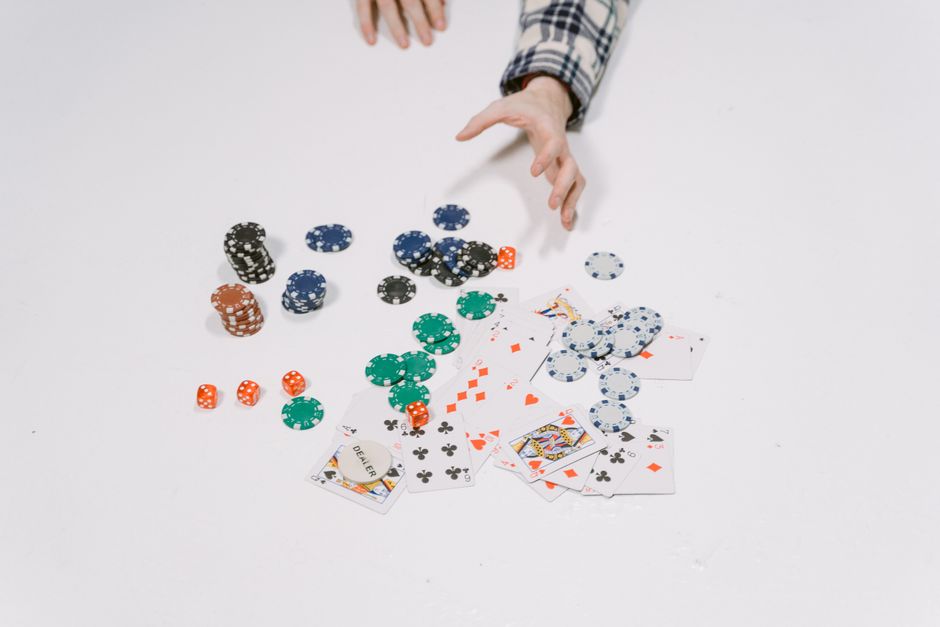
Ask ten gamblers what the best game in the world is and you'll get ten different answers, usually delivered with the kind of conviction normally reserved for politics or pineapple on pizza. The truth is that slots, poker, and sports betting scratch very different itches. One rewards raw math and discipline. Another punishes impatience and ego. The third turns you into an amateur analyst who drinks beer while doing it. If you're trying to figure out where your money and attention belong, stop guessing and look at what each category actually demands from you.
Slots get dismissed as brainless, and honestly, the core experience is simple. You spin, the RNG spits out a result, and the machine's built-in return-to-player (RTP) percentage decides your long-term fortune. A 96% RTP slot returns roughly $96 for every $100 wagered over millions of spins. That's it. You are not unlucky because you "almost" hit three scatters. You are just playing a game with a fixed house edge, usually somewhere between 2% and 10% depending on the title and the casino's settings.
But simple doesn't mean nothing matters. Variance is the variable you can actually work with. High-volatility slots like Money Train or San Quentin can sit quiet for 300 spins and then dump a 5,000x win. Low-volatility games like Starburst or most classic three-reel machines pay out small, frequent amounts and won't vaporize your balance in twenty minutes. Neither is "better" — they suit different bankrolls and temperaments.
A few things worth doing before you spin:
This is the crucial distinction that trips up casual players. In slots and most casino games, the house is your opponent and the edge is baked in. In poker, the casino takes a rake and then steps aside. Your profit comes from opponents who make worse decisions than you. That flips the entire psychology of the game.
Poker rewards study in a way slots never can. You can learn pot odds, position, range construction, and bet sizing, and those skills compound. A player who understands that they should fold ace-king to a tight three-bet from early position will lose less than someone married to pretty hands. Over 100,000 hands, that difference is rent money.
The formats also matter more than beginners realize:
Be honest about the learning curve. The modern game is not the 2005 poker boom where any aggressive kid could print money. Solvers and training sites have squeezed a lot of the easy edge out, especially online. If you're not prepared to review hand histories and study away from the table, you're the fish at the table — likely someone else's profitable session. For a closer look, az888.br.com has helpful details.
Sports betting feels intellectual because you're applying knowledge about football, basketball, or tennis. Sometimes that knowledge matters. Usually, the market already priced it in. The bookmaker's opening line reflects everything from injury reports to public sentiment, and beating that number consistently is genuinely hard.
Where recreational bettors can gain an edge is in the boring, unglamorous stuff. Line shopping across multiple sportsbooks can swing your expected value by two or three percentage points, which is enormous in a market with a 4–5% hold. Betting early before sharp money moves the line helps too, as does focusing on niche markets where books haven't invested as much in their models — think lower-tier soccer leagues, second-division basketball, or specific player props.
Three habits separate the break-even bettor from the consistent loser:
Here's where the three categories really diverge. Slots need the smallest theoretical bankroll mind-set because you're never going to outplay them. Budget a session amount, treat it as entertainment spending, and don't chase. Poker needs a proper bankroll of at least 20–30 buy-ins for cash games and 50–100 buy-ins for tournaments, because variance will humble you even when you play perfectly. Sports betting sits in the middle — a unit-based system of 1–2% of your roll per bet keeps you alive through losing streaks that are statistically guaranteed to happen.
The common thread is that all three punish desperation. Chasing losses in slots, tilting in poker, or doubling up on a "sure thing" parlay are the same mistake wearing different outfits.
Pick slots if you want a passive, visual experience and accept that skill barely moves the needle. Pick poker if you enjoy competition, study, and the possibility of genuinely beating other humans. Pick sports betting if you follow sports closely and are willing to treat it like an analytical hobby rather than a lottery ticket. None of them is a shortcut to easy money, and anyone telling you otherwise is selling something.
The smartest players do something else entirely: they specialise. Splitting focus across all three means mediocre results in each. Mastering one game, understanding its variance patterns, and applying disciplined bankroll management beats scattered dabbling every single time. Decide what kind of player you actually are, and let the math handle the rest.

Hi, my name is Anthony kuber. I am artist and fashion designer.
I love to travel and writing blogging.
Your email address will not be published. Required fields are marked *
Software Developer & Writer
Hey, I'm Diva, a developer and writer blending code and creativity. I'm driven by a deep curiosity and a relentless pursuit of excellence. Join me as I craft digital solutions and captivating stories.


